Most solo travel advice sounds like it was written by someone who has never stood at a bus station in an unfamiliar city at 9 pm, tired, with a bag that weighs too much and a hostel address that stops loading on their phone.
The tips that actually help are specific. Not "trust your instincts", that is meaningless in a place where your instincts have no local calibration. Not "be spontaneous": spontaneity is great after you have systems in place, not before.
This guide covers the practical side: where to start, how to move between cities cheaply, what safety prep looks like in concrete terms, and how to keep a solo budget from collapsing in week two.
Once your dates and route are set, build your day-by-day itinerary free with Itnify.
Start in the Right City
Your first city matters more than most people expect. The wrong start, an expensive, chaotic city with poor hostel infrastructure: can shake confidence early before you have found your rhythm.
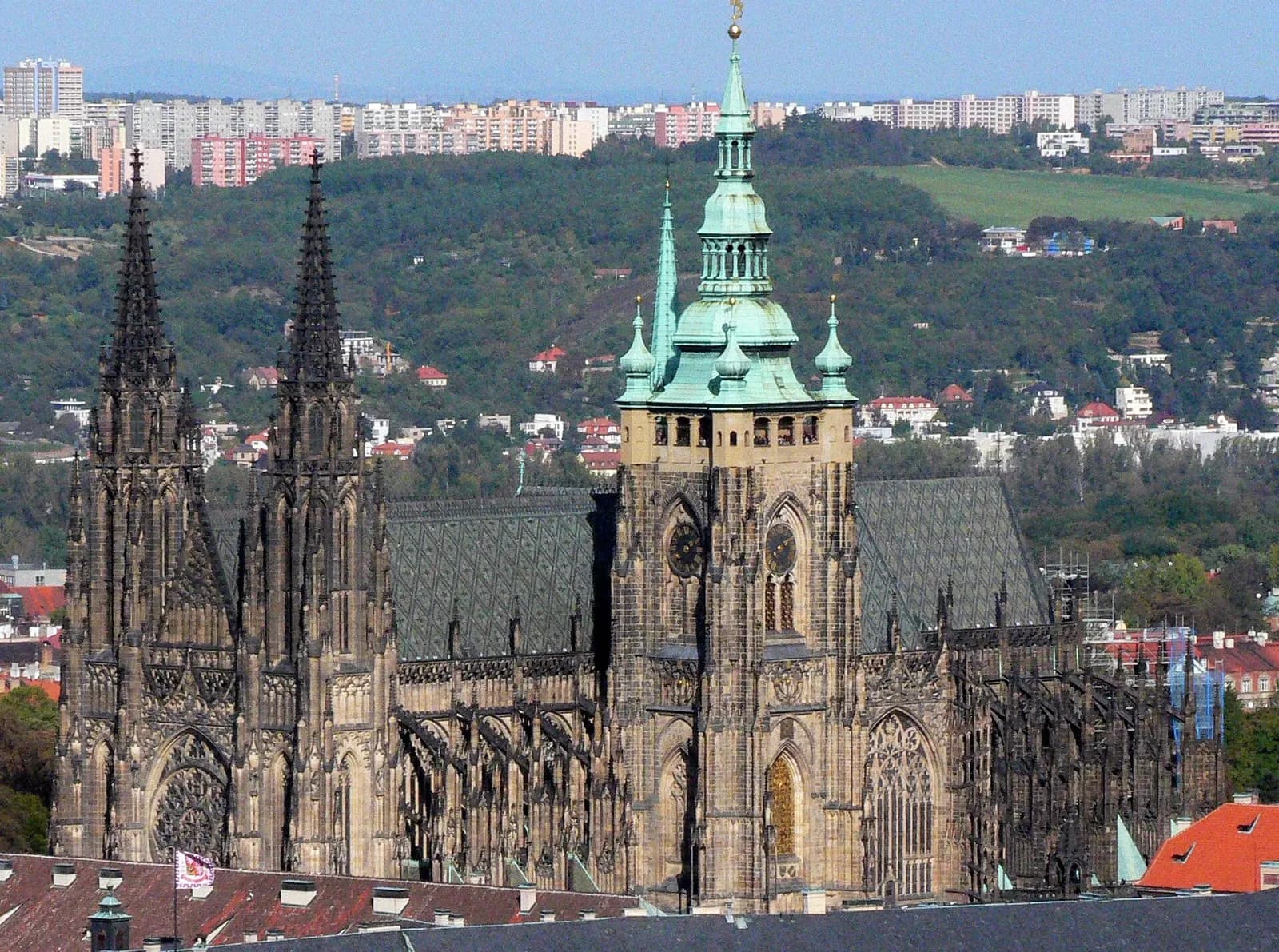
Lisbon and Prague are the two best entry points for first-time solo Europe travelers. Both have:
- English widely spoken in tourist areas, hostels, and service businesses
- Strong hostel social cultures with organized events and day walks
- Cost profiles significantly below London, Paris, or Amsterdam
- Manageable city layouts with good walkability
Krakow (Poland) and Porto (Portugal) are strong alternatives if you want to avoid the most-visited cities from the start.
Spend your first 3 to 4 nights in one city before crossing borders. The adjustment period is real, and trying to navigate intercity transport on Day 2 of your first solo trip adds unnecessary friction.
Book a Social Hostel for Your First Two Nights
Even if you plan to stay in private rooms or Airbnbs for most of your trip, two nights in a social hostel at the start changes the experience.
Social hostels run organized events: city walks, pub crawls, group dinners. These create natural entry points to meet other travelers without the awkwardness of cold conversation. The alternative is arriving alone, eating alone, and spending the first evening in your room questioning your life choices.
Look for hostels with strong recent reviews specifically mentioning the social atmosphere. Generator, St. Christopher's, and independent hostels with "community" language in their descriptions are usually good signals.
Build Your Transport Strategy Around Two Modes
Buses for budget legs
Flixbus and Eurolines cover most major European routes at prices that are genuinely hard to argue with:
- London to Paris: around 20 EUR in advance
- Prague to Vienna: around 12 to 15 EUR
- Barcelona to Madrid: around 10 to 18 EUR
The trade-off is time. A bus from Prague to Vienna takes 4 to 5 hours. The train takes 4 hours. In many cases the time difference is minimal and the price gap is enormous.
Buses work well for daytime legs where you can read, watch something, or sleep. They are less ideal for night travel on unfamiliar routes early in your trip.
Trains for speed and scenic legs
Trains make sense when the time saving is significant or when the route itself is the experience: coastal trains in Croatia, mountain crossings in Switzerland, the Douro Valley in Portugal.
Book trains at least 1 to 2 weeks ahead in peak season on popular intercity routes. Eurostar (London to Paris/Brussels) sells out frequently and prices jump sharply close to departure.
The midweek travel advantage
Tuesday and Wednesday travel consistently yields lower fares than Friday through Sunday across both trains and buses. If your trip allows flexibility on which days you move, systematically scheduling intercity legs midweek saves a measurable amount over a two- to three-week trip.
Handle Money Like You Have a System
ATM rule: use ATMs inside bank branches rather than street machines in high-tourism zones. Street ATMs in areas like Prague's Old Town, Barcelona's La Rambla, and Rome's city center carry higher skimmer risk. Takes 10 extra seconds to find a branch machine. Worth it.
When you do use any ATM: pull lightly on the card slot before inserting, cover your PIN entry with your hand.
Split your money: carry two cards from different networks (Visa and Mastercard if possible) in separate places. Keep a small emergency cash reserve separate from your wallet. If your bag gets lifted, your trip does not end.
Avoid dynamic currency conversion: when paying by card abroad, always pay in the local currency rather than your home currency. The ATM or card terminal will offer to convert: always decline. The exchange rate they use is significantly worse than your card's rate.
Know the Scams Before You Arrive
Generic "be careful" advice does not help when a scam is happening to you in real time. Knowing what to expect removes the moment of uncertainty that scammers exploit.
The fake police inspection (Prague, Barcelona, Rome): someone identifies themselves as plainclothes police and asks to check your wallet for counterfeit notes. Real officers do not conduct random cash inspections. Response: refuse, keep walking, move toward a staffed building or visible police.
The friendship bracelet (Paris, Barcelona): someone forcibly ties a string or bracelet to your wrist then demands payment. Do not stop walking, do not let them make physical contact with your hands or wrists. Pull away early and keep moving.
The helpful stranger at train stations: someone offers to help with your ticket at a machine, then pockets money or extra charges while appearing to assist. Use the ticket window or buy online before arriving.
The overcharging taxi: especially on airport routes in cities without enforced metering. Use Uber, Bolt, or official airport taxi stands with displayed fare boards. Know the approximate range before getting in.
Spend 15 minutes before arriving in each new city reading about current local scams on Reddit (city-specific subreddits are excellent for this). The specifics change, the patterns do not.
Beat Attraction Lines With Timing, Not Luck
At 11:00 am at peak season, queues at the Colosseum in Rome, Sagrada Familia in Barcelona, and Uffizi in Florence can run 60 to 90 minutes even with booked tickets. At opening time, those same queues take 5 to 10 minutes.
For major paid attractions, one of two strategies works:
- Pre-book timed entry slots online, as far ahead as possible for popular sites (Sagrada Familia and Vatican Museums sell out weeks ahead)
- Arrive 15 minutes before opening on weekdays
The middle path: arriving at 10:30 without a booking: consistently produces the worst outcome.
Control Your Food Budget Without Eating Badly
Food is where solo travel budgets collapse fastest, and not because of expensive restaurants. It is the accumulation of 3 meals out per day in cities where even cheap options add up.
A sustainable structure:
- Breakfast: supermarket items (yogurt, fruit, bread) eaten at your accommodation
- Lunch: local market, covered market halls, or a single-dish cafe option
- Dinner: one real sit-down meal with a drink
Chains like Lidl, Billa, Mercadona, and Kaufland operate across Europe and have strong prepared food sections alongside standard groceries. Using them for one or two meals per day reduces food spend by 50 to 60 percent compared with eating every meal out.
This is not about deprivation. It is about not accidentally spending 60 EUR per day on food when you planned for 30.
Build a Minimal Safety Framework
You do not need to be paranoid. You need to be organized.
Daily check-in
Choose one person at home and send one message per day: current city, current accommodation, plan for tomorrow. This is not a safety net for emergencies (your consulate is that). It is a habit that means someone noticed if you go quiet.
Night arrival rule
If you are arriving in a new city after 22:00, plan your route from the station to accommodation before you depart, not on arrival. A new city at night with a slow-loading phone is exactly when decision-making degrades. Remove the decision in advance.
Data from Day 1
Poor connectivity is a safety and navigation problem. Before your first trip or when entering a country with different coverage:
- Buy a local SIM at the airport on arrival
- Alternatively, set up an eSIM provider like Airalo before landing for seamless coverage across multiple countries
Never start a travel day: especially intercity transit: without working maps and messaging.
Leave the Middle of Your Trip Flexible
Book your first night and last night with confidence. Keep the middle adjustable.
Solo travel's main advantage over group travel is that you can change your mind. A city you love can become two more nights. A city that does not click can become a shorter stay. If your entire trip is pre-booked, you lose the thing that makes solo travel worth it.
Practical rule: keep at least one accommodation booking cancellable at any given point in your trip. Free cancellation options exist at every price point: there is no reason to lock yourself into non-refundable bookings weeks in advance.
Use Reddit for Local Intelligence
Before each city, spend 20 minutes in the city-specific subreddit. Search for recent posts (past 30 days) covering:
- Current scams or safety issues
- Any closures or renovations at major sites
- Restaurant recommendations from locals
- Transport tips specific to the current season
This is the local-knowledge layer that AI travel planners and blog guides cannot reliably provide. A subreddit post from two weeks ago about a temporary metro closure or a newly-opened restaurant is current information. No travel guide published six months ago has it.
A Realistic Budget Snapshot for 2026
Budget outcomes vary by region and season, but this structure holds across most Western and Central European cities:
| Category | Budget Approach | Daily Range |
|---|---|---|
| Accommodation | Social hostel dorm to private hostel room | 20-50 EUR |
| Food | 1 meal out + supermarket for others | 20-35 EUR |
| Transport | Day pass or per-trip metro/bus | 5-15 EUR |
| Activities | One paid major attraction, rest free | 10-25 EUR |
| Total | 55-125 EUR/day |
Eastern Europe (Poland, Czech Republic, Hungary, Romania) runs materially lower: often 30 to 40 percent less across all categories.
The goal is not minimum spend. It is consistent, sustainable daily spend so your trip lasts as long as you planned.
Frequently Asked Questions
Is Europe safe for solo travel in 2026? Yes: Western and Central Europe consistently rank among the safest regions in the world for tourism. Petty theft in high-tourism areas (pickpocketing, bag snatching) is the realistic risk, not violent crime. The practical response is a combination of anti-theft bag positioning, money splitting, and scam awareness rather than general caution.
What is the best country to start a solo Europe trip? Portugal for a gentle, affordable, English-friendly start. Czech Republic for a Central European base with strong hostel culture. Both offer good density of things to do in the first city without requiring you to navigate complex logistics early.
How do I meet people while traveling solo in Europe? Social hostels are the highest-conversion method early in a trip. Facebook travel groups for specific cities and dates work well for meetups. Free walking tours (tip-based, operating in almost every major European city) create natural group experiences and good local introductions. After a few days in a social hostel, you will typically have travel companions for optional side trips even if you prefer private accommodation.
Is solo travel in Europe expensive? It does not have to be. The main levers are accommodation type (hostel dorms vs. private rooms), transport method (buses vs. trains), and food approach (mix of self-catered and restaurants). A realistic solo budget in Western Europe is 70 to 100 EUR per day. Eastern Europe runs closer to 45 to 70 EUR per day. These are comfortable ranges, not extreme budget travel.
What should I pack for solo travel in Europe? The consistent advice from experienced solo travelers: half of what you initially pack. A bag you can carry onto planes without checking is a significant logistics advantage. Key items that matter more than people expect: a portable battery pack, a packable rain layer, copies of important documents stored separately from originals, and a basic first aid kit. Everything else is adjustable.
How long should a first solo Europe trip be? Two to three weeks is enough to feel comfortable with solo travel logistics and see 3 to 4 countries meaningfully. Under 10 days is too short to adjust, you will spend most of it in transit mode. If your schedule allows only 7 to 10 days, pick one region (Iberian Peninsula, Central Europe, Italy) rather than trying to cover the continent.
Plan Your Solo Europe Trip Without the Research Spiral
Stop building your route from blog lists. Itnify generates a complete day-by-day solo Europe itinerary adjusted for your pace, budget, and travel style: grouped by neighborhood with transit times between every stop.
Try Itnify free, no credit card required.